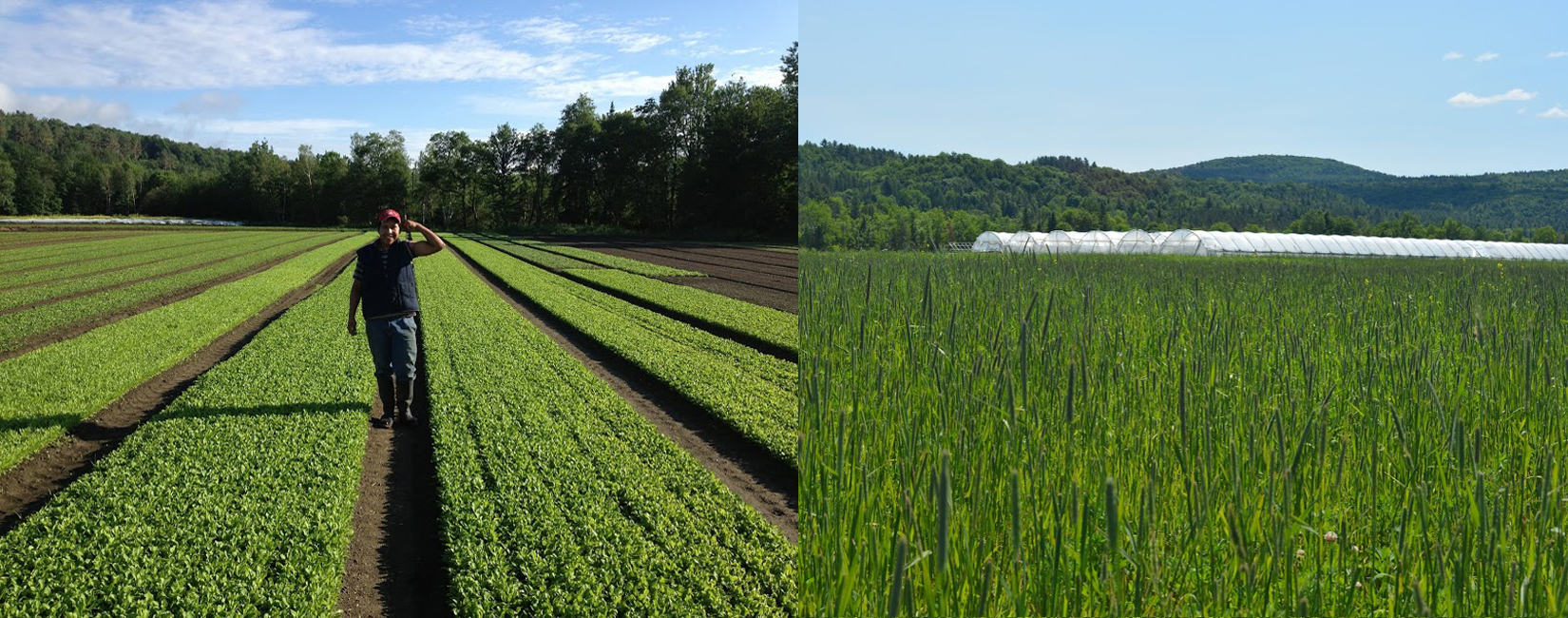
Butterworks Farm Black Turtle Beans are the triumphant result of prevailing over the elements here in Vermont where dry beans can be extremely hard to grow in our wet summers. This heirloom bean originates from Southern Mexico and Central America. Its history can be traced to over 7,000 years ago. The black turtle bean has a dense, meaty texture and is very high in protein, which makes it popular in vegetarian dishes. It is an excellent choice for making into soups and chilis as it broth cooks down to a paste like consistency. You can also cook and add to salads, rice or use in my favorite dish huevos rancheros (see recipe below). It is common to keep the boiled water of these beans and consume it as a soup with other ingredients for seasoning (known as sopa negra, black soup), as a broth (caldo de frijol, bean broth) or to season or color other dishes.
Here are some tricks and instructions for cooking these little black nuggets. Number one, some sort of pre-soak is required to cook beans and will significantly reduce cooking time. Cover with 2 inches of water and soak overnight or for 6-8 hours. Drain and cover with fresh water and simmer until beans are soft, about an hour. In warm conditions, refrigerate black beans while they soak to prevent fermentation. A quick-soak method involves covering beans with water, bring to a boil for 2 minutes and then remove from heat and let sit for 2 hours. Drain, cover with fresh water and simmer until soft, about an hour. The beans may prematurely break up with a quick-soak method. Use the overnight method for dishes where it is essential the beans stay whole, such as salads and relishes. Important! Do not add salt or acidic ingredients such as lemon, vinegar, wine, and tomatoes until the beans are finished or nearly done cooking. Adding earlier can cause the beans to toughen. If additional water is needed during the cooking process, use boiling water rather than cold water. Addition of the herbs known as summer savory and epazote can help reduce the flatulence suffered by many who eat beans.